


DJI RS 4
DJI RS 4 supports the next generation of native vertical shooting function
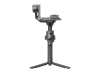
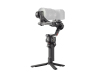
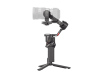

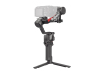
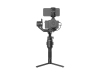
The lightweight commercial stabilizer DJI RS 4 supports the next-generation native vertical shooting function. The operating efficiency, stabilization performance and accessory ecosystem have also been comprehensively upgraded, allowing single photographers to have a more professional and efficient creative experience and easily stabilize large scenes.
◆ Features
Second-generation native horizontal and vertical shooting switch
Joystick mode switch zoom/gimbal control
Teflon™ axis arm smooth leveling
3 kg powerful load extended version of the pitch axis
RSA communication interface enriches the control ecosystem
Large-capacity battery handle about 2.5 times the battery life
Second-generation native horizontal and vertical shooting switch
DJI RS 4 adopts a new gimbal horizontal plate design to achieve faster and simpler second-generation native horizontal and vertical shooting switch. You don’t need to buy additional accessories, just remove the horizontal plate and buckle it vertically to complete the vertical shooting switch, and start vertical screen creation efficiently.
Second-generation automatic axis lock
The automatic axis lock allows RS 4 to quickly enter the working and sleeping states, greatly improving the speed of shooting, transitioning and storage. In addition, the upgraded second-generation automatic axis lock has a smaller virtual position when locked, which can further reduce the shaking of the gimbal.
New leveling experience
DJI RS 4 uses Teflon™ coating on all three axes, with a lower friction coefficient and smoother leveling. When changing the camera or lens, you can use the front and rear fine-tuning knob of the pitch axis to make millimeter-level fine adjustments. The upper quick-release plate has a new adjustable rib design to make the camera more secure.
Automatic lock screen
The OLED touch screen has a new automatic lock screen function. After the screen is locked, the screen brightness is reduced and the gimbal and joystick mode are displayed, which can not only prevent accidental touches but also save power.
Excellent carrying capacity
The lightweight body has a load capacity of 3 kg and can carry mainstream micro-single cameras and lens combinations. It is easy to hold and powerful.
Compared with the previous generation, the pitch axis of RS 4 has increased by 8.5 mm and has a larger leveling space. You can install accessories such as ND filters on mainstream micro-single cameras and lens combinations to expand more creative possibilities.
DJI RS fourth-generation stabilization algorithm
DJI has fully optimized the new generation of RS stabilization algorithm based on different usage scenarios. It can better balance the stabilization strength and the actual lens movement feel, and has excellent anti-shake performance and user experience. Not only that, the vertical anti-shake performance is greatly enhanced, which can easily stabilize vertical shots such as running and low-angle shots.
Wireless Bluetooth control
DJI RS 4 can remotely control the camera shutter and lens focal length through wireless Bluetooth direct connection technology. In zoom control mode, you can use the joystick to perform PZ lens electronic zoom and clear image zoom to get a native zoom experience. The same camera only needs to be paired once, and it can be automatically connected without feeling in the future.
Support DJI Focus Pro Motor
When DJI RS 4 is equipped with the new Focus Pro motor, you can control the focus through the dial or use the joystick to change the lens focal length. The operation is smooth and efficient.
Trigger function customization
The trigger function can be set to global follow mode. Press and hold the button, and the three axes of the gimbal will follow the direction of the handle rotation. It is particularly useful when shooting rotating lenses and simulating first-person perspectives.
Gimbal mode switch
Push the gimbal mode switch to switch between pan-follow, dual-axis follow and global follow gimbal modes in seconds. You can also set the global follow to 360° rotation or custom mode according to shooting needs, so that RS 4 can be accurately positioned at any time.
◆ FAQ
How to maintain a drone?
Maintaining a drone requires regular inspection and care. First, make sure the battery stays charged and avoid overcharging or discharging. Clean the fuselage, propellers, and camera regularly to remove dust and debris. Check the propellers for cracks or damage and replace them in time. Calibrate the gyroscope and GPS before flight to ensure stability. After flight, check the battery, motor, and control system to confirm that there are no abnormalities. Update the firmware regularly to ensure the latest performance of the device. In addition, avoid flying in adverse weather conditions to extend the life of the drone.
What is the safe operation guide for Drone?
First, make sure you are familiar with local laws and regulations before flying, and avoid flying in no-fly zones. Maintain line of sight during flight to avoid loss of control or signal. Check the status of components such as batteries, motors, propellers, etc. to ensure that the equipment is in good condition. Avoid strong winds, heavy rain or thunderstorms during flight to ensure stable flight. Comply with flight altitude restrictions to avoid collisions with buildings or people. Calibrate GPS and gyroscopes regularly to ensure accurate navigation. Finally, shut down the drone in time and store it properly after the flight.
How to extend the life of drone batteries?
The key to extending the life of drone batteries is to avoid overcharging and over-discharging. Before each charge, make sure the battery is between 20%-80% and do not wait until the battery is completely exhausted. Use the original charger and avoid using non-compliant charging equipment. Avoid flying in extreme temperatures, especially in overheated or cold environments, as high temperatures will accelerate battery aging. Use the battery regularly and avoid leaving it for too long when not in use. Charge it promptly after the flight to avoid the battery being in a low power state for a long time.
◆ Industry Applications
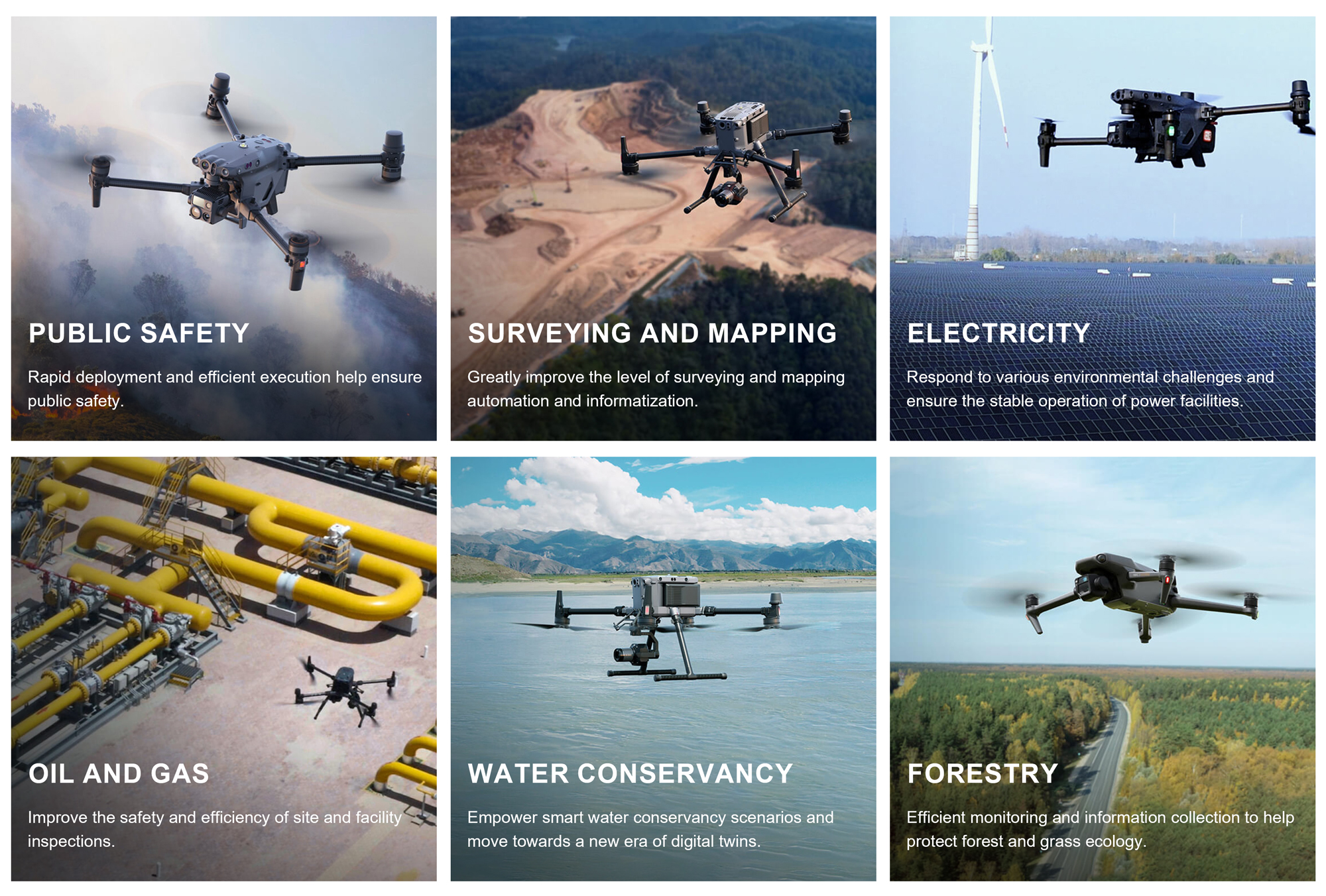
◆ Company Profile
Jiangsu Legend Intelligent Technology Co., Ltd. is a professional UAV industry application solution service provider. Relying on a complete service system and a good cooperation mechanism, it has become a deep partner of DJI industry applications.
Based on DJI industry application series products and relying on the East China UAV base, we build an ecosystem and six centers to provide customers with multi-dimensional and all-round solutions from top-level design to landing services. Help the fields of public security fire protection, power inspection, surveying and mapping infrastructure, urban management, etc., liberate productivity, reshape productivity, and build a link between technology and services.
Since its establishment, Jiangsu Legend Intelligent Technology Co., Ltd. has obtained various qualification certificates in the industry, and has become an industry leader through continuous in-depth exploration and exploration of the UAV field. It has established long-term strategic cooperation relationships with government and enterprise units such as Nantong Rudong Environmental Protection Bureau, Nantong Rugao Environmental Protection Bureau, Yancheng Funing State Grid, and Shandong Linyi Urban Management Center. It has continued to grow in solving practical problems, and gradually formed a win-win concept with cutting-edge technology as a technical means and personalized customization as a service purpose, to help the healthy and sustainable development of society. In the future, the company will continue to invest in research and development to increase its comprehensive competitiveness and actively deploy high-tech enterprises.
Related Products


Contact US
Product Information
Quantity
Unit
Piece
Support order samples, customization, wholesale direct, and complete payment. If the product you look for does not have corresponding customized content, pls fill out the form below to contact us, and we will reply ASAP.